When we talk about memorable gastronomy experiences, the conversation often begins at the table. In reality, the most compelling food journeys are shaped long before a dish is plated. They are built quietly – through sourcing decisions, seasonal planning, relationships between farms and kitchens, and the coordination required to deliver quality at scale. In Bali, gastronomy is less about spectacle and more about systems that evolve over time. As Bali & Beyond Travel Fair (BBTF) 2026 approaches, these behind-the-scenes efforts offer a clearer picture of how authentic and resilient gastronomy experiences are crafted.
At the foundation of any strong gastronomy experience lies the ingredient itself. In Bali, this means close collaboration between chefs, hoteliers, and agricultural producers – particularly farms that understand hospitality requirements while remaining rooted in sustainable practices.
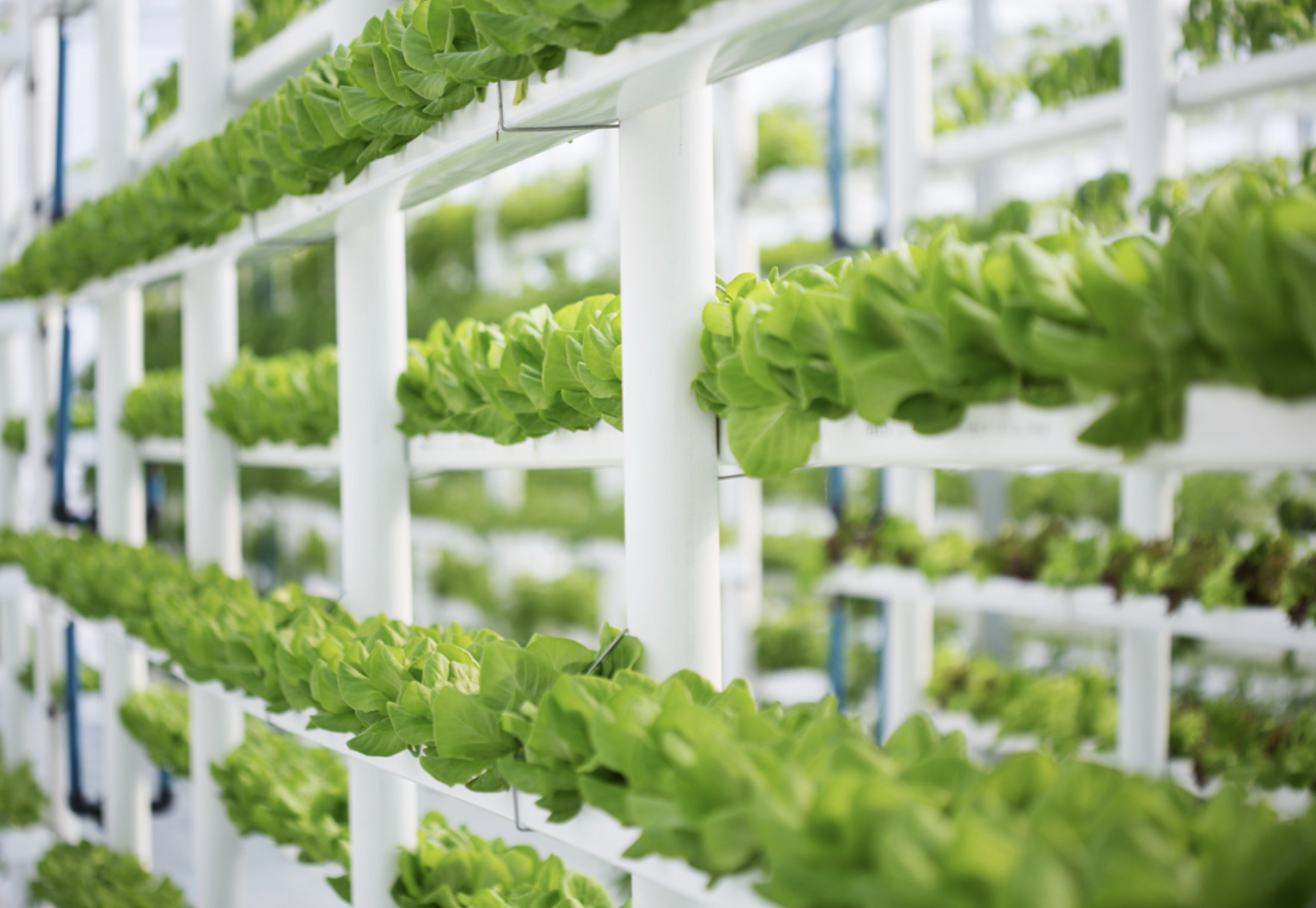
One such example is Plaga Farm, a leading supplier of hydroponic and organic vegetables to hotels and restaurants across the island. By prioritizing pesticide-free cultivation and consistent year-round supply, Plaga Farm enables kitchens to plan menus with confidence while maintaining freshness and flavour.
This work is complemented by producers such as Island Organics Bali, based in Tabanan, which supplies a wide range of organic herbs and vegetables to hospitality partners. More broadly, the North Bali and Tabanan highlands – including areas such as Baturiti, Pupuan, and Jatiluwih – remain the agricultural backbone of the island. Produce from these regions quietly feeds hotel kitchens, independent restaurants, and large-scale events, reinforcing Bali’s farm-to-table identity even when it is not explicitly labeled as such.
Some initiatives also bridge production and education. Taman Dukuh Organic Farm & Cooking School combines organic farming with hands-on culinary learning, allowing participants to walk through gardens, understand ingredient origins, and prepare traditional dishes using freshly harvested produce. While experiential in nature, it reflects a wider truth: gastronomy becomes more meaningful when the connection to land is visible.
At the resort level, integrated models such as AYANA Resort and Spa Bali’s on-site farm further demonstrate how agriculture, kitchens, and guest experience can operate as one ecosystem – supporting both daily operations and storytelling.
Behind all of this is coordination: aligning harvest cycles with menus, managing supply for both intimate dining and large events, and training teams to work with local ingredients. When done well, the complexity disappears, leaving guests with an experience that feels seamless and grounded.
Taken together, these farms and partnerships illustrate sustainability in action – not as a concept, but as daily practice. By linking land, people, and kitchens, Bali’s gastronomy ecosystem shows how responsible sourcing, collaboration, and continuity can quietly shape experiences that endure.