There is a moment at Bromo that photographs rarely capture. It comes after sunrise, when a local guide begins explaining why this volcanic landscape matters to the Tengger people. Suddenly, the mountain is no longer simply beautiful. It carries memory, belief and a living community.
That shift, from seeing a place to understanding it – is increasingly what travelers take home. Quality tourism begins in these details: feeling safe in unfamiliar terrain, hearing stories from people who know the place intimately, and travelling with confidence throughout the journey. Great journeys leave visitors with more than photographs; they leave perspective for years.
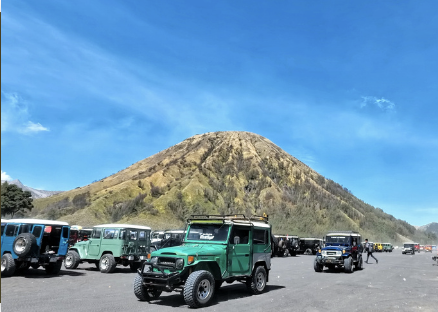
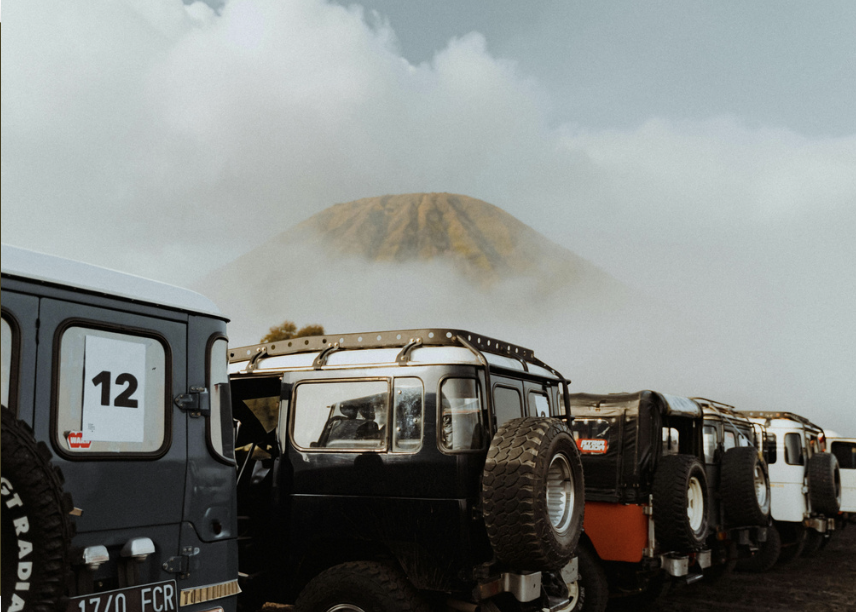
Before sunrise, the wider Bromo landscape is already in motion. Local jeep operators prepare their vehicles, guides meet travelers, homestays serve early breakfasts, and village businesses begin another day around one of Indonesia’s most recognized attractions.
Popularity brings opportunity, but also a harder question: how do you protect the quality of an experience when so many people want to experience it?
The answer is often found in details travelers may not consciously analyze, but certainly feel: organized movement, clean surroundings, reliable transport, clear safety information, responsible visitor behavior and communities that genuinely participate in the tourism economy.
This is where local knowledge becomes part of quality. A responsible operator can manage timing, accommodation and transport. A local driver understands the terrain. A Tengger guide can explain the meaning behind the landscape, community traditions and appropriate behavior in culturally significant places. Good guiding does more than make travel convenient; it gives visitors context, confidence and a story worth taking home.
Bromo also illustrates the potential of “Bali & Beyond.” For travelers beginning in Bali, East Java can become a natural extension of their Indonesian journey: connecting Bromo with Malang, Ijen or Banyuwangi, rather than experiencing each destination in isolation.
The landscape, however, is more than a tourism asset. It is part of the cultural homeland of Tengger communities and a protected natural environment. Quality therefore depends on balancing visitor demand with cultural respect, conservation and local benefit.
On 7 September, the International Day of Clean Air for blue skies offers a timely reminder that environmental quality and tourism quality are connected. For BBTF 2027, that connection matters because regenerative travel must work while protecting what made a destination desirable.
Indonesia does not need to choose between successful tourism and responsible tourism. The challenge is learning how to make them the same thing.
ASITA Bali Region believes quality tourism grows through care, consistency and respect for place. Through BBTF 2027, we invite industry partners to build journeys travelers trust and communities value together.
“Quality is what gives a destination longevity. When visitors return home with more than photographs – with understanding, confidence and a story worth sharing – tourism has created something far more valuable.”
— I Putu Winastra, S.AB., M.A.P., Chairman of BBTF 2026 and Chairman of ASITA Bali